Category: Reuben Doyle (5)

12 ways to create instant street appeal

Whether you’re looking to sell or stay put, our handy guide explains how your house can create a fabulous first impression before you even open the door

House

How to create street appeal whether you’re selling or staying

Real-estate agents love to bandy the phrase “street appeal” about when selling houses – but there’s no doubt about it, people generally judge a house on how it looks from the street. Even if you’re planning to live in your home for ever, it’s still nice to think that the face it shows to the world is one that looks loved and cared for. Sadly, a scruffy front garden with cracked paving or a broken letterbox says the opposite. Here are 12 easy projects to help your house look its very best from the street.

House

1 Front of house

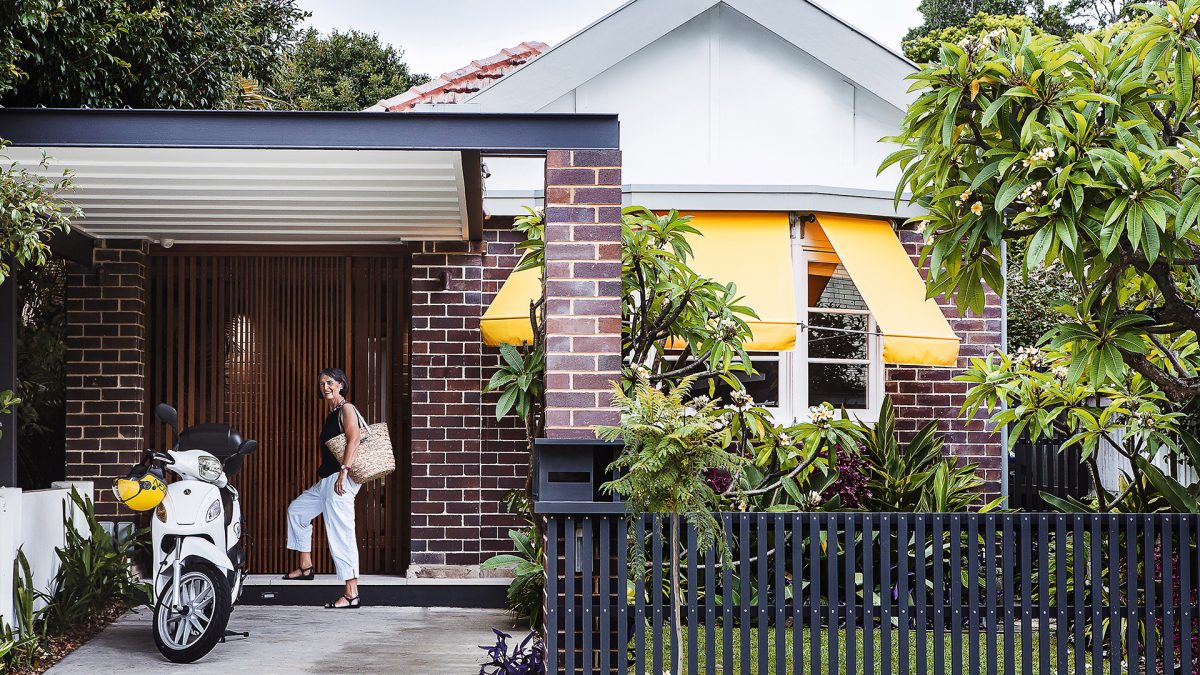
It may seem obvious but there’s no underestimating the impact a freshly painted front door can make on the look of a house. Or, if it works with the style of your place, you could buy a ‘designer’ door with hardware to match. Make sure the letterbox is up to scratch, too.

House

Pure soft oval pots, from around $75, from Palmers.

2 Clear the way between the gate and the front door

The route between gate and front door may be short but it also needs to be very obvious. If this is not the case, to avoid visitors stumbling around the garden trying to find the entrance, try placing a large pot or piece of sculpture on the path as a pointer to the door. Rerouting the front path might also be worth considering. But make sure new paths follow a natural access pattern to the door or you’ll risk people cutting through garden beds.

House

3 Separate spaces between the driveway and the pavement

If space allows, separate pedestrian and vehicle access with planting such as low hedges or tough perennials like dietes, dwarf flax or lomandra. Even simply using different paving materials for cars and people will avoid the front garden looking like a parking lot.

House

4 The right-size pathway

The path to the front door should be generous, 1200mm wide at least. Replace chipped and stained pavers, or remove old-fashioned paving units and lay more up-to-date ones. Larger pavers create a more spacious feel and can often be laid over existing concrete. Ideally, select paving colours which work well with existing materials in the garden and house exterior.

House

Pure ball pots, approx. $199 each, from Palmers.

5 Create a sense of arrival

Signal to visitors that they have arrived at your place with a lovely feature such as a large handsome pot, piece of art, decorative screen or architecturally shaped plant.

House

Portrait of Mass and Separation, 2012, by David McCracken, POA, from Gow Langsford Gallery.

6 Create an area to pause and admire the garden

If you have the room, create an area where people can pause and admire the garden en route to the front door. Place a bench or raised pond with wide edges for seating alongside the path perhaps, or add a lovely artwork.

House

Style slat fencing, 1200mm high, $188 per linear metre, from stratco.co.nz.

7 Get your front fence in shape

That front fences need to be in good nick goes without saying. If building a new boundary structure, consider stepping it back from the footpath a little so you can plant in front. This also leaves space for a lovely threshold area at the gate, separate from the public footpath.

House

8 Street wise

A great way of connecting your garden to the street is with screened openings in fences and walls. Burglars love high, imposing walls where no one can spot them from the street; strategically placed gaps would put a spanner in their works as well as allowing more light into the garden and creating a more interesting boundary structure.

House

9 Open up

Many contemporary homes, especially small ones, are opting for no boundary structures at all. This makes the front garden feel much bigger and sets off the architecture of the house beautifully. Carefully positioned trees, rocks and mounds can deter passers-by and animals from straying into the garden.

House.

10 Create a planting plan

Without a fence, the planting in front gardens needs to be top-notch. Your plant selection should reflect the style of the architecture and be based on well-performing species. Don’t rely on annuals unless you plant them in pots and replace them regularly. Better to use low-maintenance species that have good form and foliage such as bromeliads, camellias, coloured flaxes, libertia, succulents, corokia, box and michelia.
House

11 Gateways

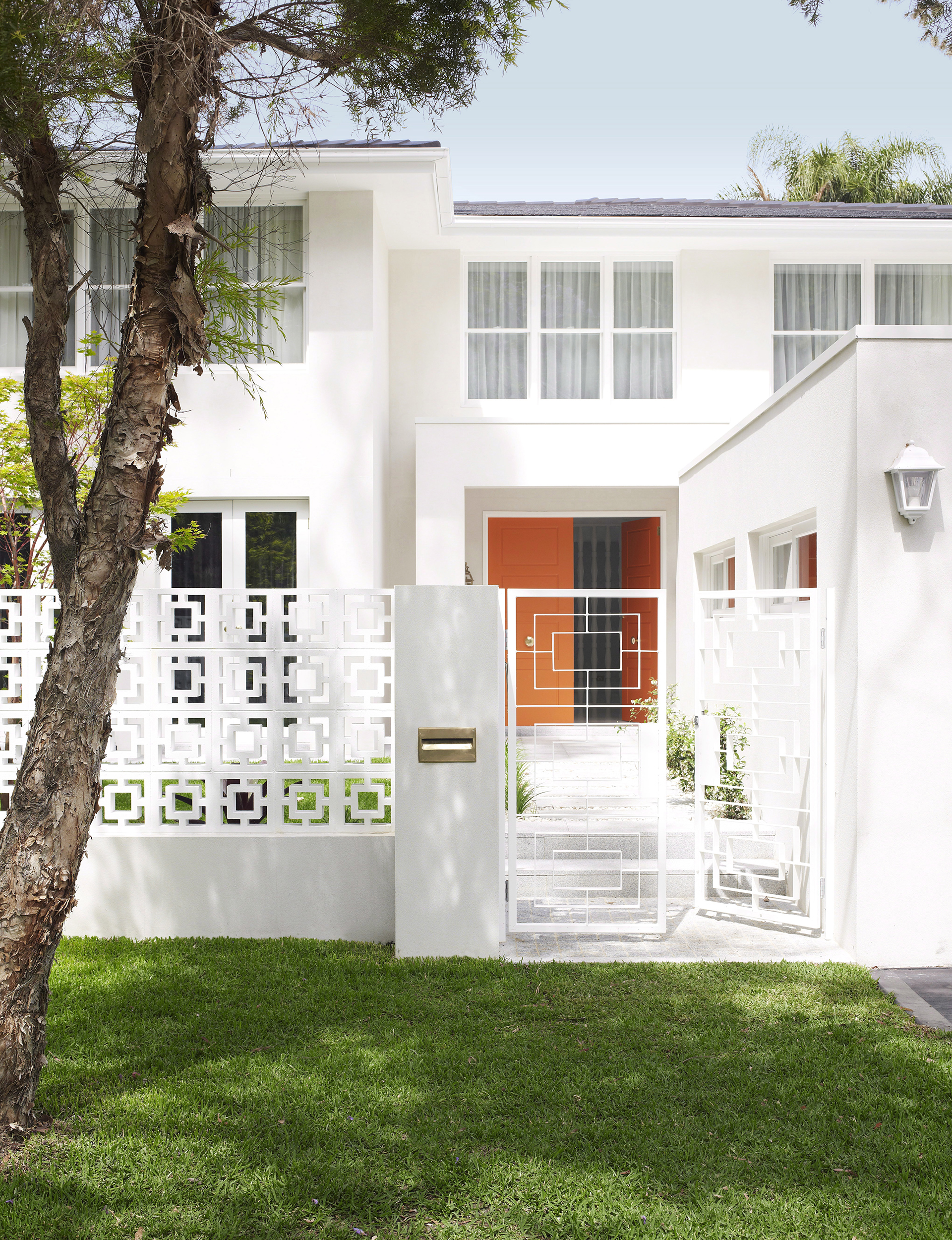
Like your front door, the front gate is a portal to the space between street and house. Its appearance is a marker of your personal style so don’t settle for the bland or average, particularly when there are some great custom-built designs around. Make sure existing gates are in good condition.

House

Orbit Dieter exterior wall light in copper, $49.98, from Mitre 10 MEGA.

12 Add some outdoor lighting

Well-designed outdoor lighting which highlights lovely architectural and garden features will significantly enhance the front of your house at night. Downlights marking steps, paving edges and the front porch are also essential.

Words by: Carol Bucknell. Photography by: Tobias Kraus; Robert Reichenfeld; Maree Homer; Anson Smart; Matt Lowden; Andrew Lehmann/bauersyndication.com.au.

Womad New Plymouth is planning to crack down on camping chairs

TARYN UTIGER

Womad New Plymouth
Andy Jackson

Womad New Plymouth is planning to crack down on camping chairs.

Organisers of three-day music festival have received a number of complaints about camping chairs blocking views at various performances at Womad, which is held in New Plymouth’s TSB Bowl of Brooklands every March.

As it turns out, there’s always been a no camping chairs rule, but people haven’t been following it, Taranaki Arts Festival Trust chief executive Suzanne Porter said.

“We’ve always said no camping chairs – it’s even printed on the tickets, but it’s something that hasn’t been policed in the last few years,” Porter said.

Porter said this year’s post-festival survey had shown an increase in those who had an issue with the camping chairs, so action had been taken. However, sand chairs, which are lower than camping chairs, would still be allowed, she said.

The festival team announced the new enforcement on social media last week, and while many praised the decision, not everyone was happy.

Some said the decision was “stupid” and “ridiculous”, with one saying it would “alienate the oldies who can’t get up and down easily on sand chairs”.

“It is hard to please everyone in these sorts of instances. We’re monitoring the responses we’re getting on Facebook and taking note of the feedback against the policy. This decision is open to debate and we are happy that we’re getting varied responses in regards to the issue.”

Porter said if the ban was enforced there would still be a number of other options for people, including sand chairs.

“And we have the TSB Bank viewing platforms at our three main stages for over 65s. There is also an abundance of chairs in the global village food court and a number of areas with seating across the site.”

She said the Womad team was constantly seeking to improve the experience for festival goers and any feedback was taken seriously.

“I as chief executive read every comment and then we look for strong themes, issues and concerns coming through. We think debate is good and we want to keep our conversations going with our audiences,” she said.

Another change in the pipeline for Womad 2017 is that water in plastic bottles will no longer be sold on-site. Instead, the site will feature up market public water fountains.

“We’re also offering pre-wrsitbanding for all ticket types, and we’ve got some new site design pieces,” Porter said.

The full line-up for Womad 2017, set to be held on March 17 to 19, will be announced on October 18.

Three-day early-bird tickets go on sale on August 22, while the ezipay tickets are already available.

“We’ve had over 70 people sign up to the ezipay option, it seems to be growing in popularity each year,” Porter said.

“We get a variety of people –  some paying off their own tickets, others paying off bundles of tickets for Christmas or birthday presents.

“We’d like to see more uptake of the ezipay option, it makes Womad affordable for everyone. It works out to be $6.68 a week if payed over 40 weeks for a three day ticket.”

 – Stuff

Seaview Opportunity One Hour North Of New Plymouth

KIRSTY MCMURRAY
Seaview
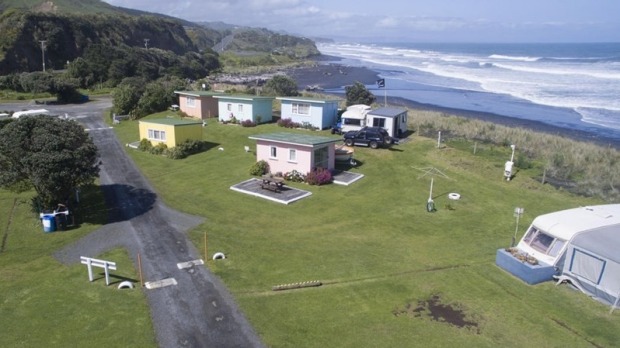
The coloured baches at Mokau’s Seaview Holiday Park are iconic.

Outstanding coastal opportunity just one hour north of New Plymouth, Mokau’s Seaview Holiday Park has been on the market since April but has not sold.

Realtor for the site, Alan Johnston, said there had been plenty of interest in the 43931m2 beach-front property but none of the tenders submitted had been acceptable to the owners

Seaview
The Seaview campground in Mokau is up for sale.

The campground has been granted resource consent to sub-divide the land into 31 sections and build 24 permanent freehold bach dwellings, a cafe and six character cabins.

In April some Mokau residents expressed concern the subdivision of the site would ruin the classic kiwi feel of the campground, but Johnston said most of the people who had been interested in the site had indicated they wanted to keep it as a campground.

“These people want to run it as it is,” he said.

Johnston said there had been some inquiries from locals and even more interest from people outside the region.

He said the property had not been on the market long and it was simply a matter of finding the right buyer.

“We’re just searching for the person who has the vision for this property.”

They were still fielding about one inquiry a week into the campground, he said.

 – Taranaki Daily News 

New Plymouth man’s quest to create free food for all

JEREMY WILKINSONgarden


Everybody loves free food, and New Plymouth man Steve Brill is hoping to make home-grown food available to all.

Inspired by Guerilla Gardening in the United States, Brill has started a roadside garden project simply named “Food is Free” and is calling on the Taranaki community to start planting food crops in often unused roadside grass plots.

His idea is simple – people plant on their property bordering the roadside and put up a sign offering passers-by an opportunity to harvest what they need.

Brill is leading by example, having set up seven of the gardens around New Plymouth, growing everything from kale, cabbage and corn to strawberries.

 ANDY JACKSON/FAIRFAX NZ

ANDY JACKSON/FAIRFAX NZ


Brill has been donated 20 of these signs, he just needs more gardens to post them on.

“It’s pretty much just me at this stage, and it’s a lot of work,” he said. “Although, I’ve got a few techniques up my sleeve like using mulch and cardboard to limit the time I spend weeding and watering.

“Mulch also holds water really well, means the gardens are very low-maintenance and you don’t have to water them too often, although this winter rain helps, too.”

However, Brill is in need of volunteers and donations of mulch and compost, but most of all he just needs more people to start planting.

“I don’t care if you’re a millionaire or don’t even have a dollar, the idea behind these gardens are they’re for everyone,” he said.

“Essentially, the more people that get behind it the better.”

Brill said he hadn’t always been so keen on healthy eating but after experiencing a few health issues a few years ago he began to get more interested.

“If you eat crap food you feel crap, if you eat good food you feel good, it’s that simple really.”

So far Brill’s gardens are up and running but the plants in them are still growing.

There are two free for the public to access on Omata Rd in New Plymouth.

Taranaki Daily News

New Plymouth’s CBD proves a success and shows growth

BRITTANY BAKER - Taranaki Daily News
Retailers on Devon St say business is booming despite it being winter months, shining a positive light on the CBD's growth.
ANDY JACKSON/Fairfax News                                                                                                                                                                                                                    


New Plymouth District Council group manager of strategy Liam Hodgetts said fears profits were being steered away from the CBD were unfounded and moves were in place to ensure the inner city remained vibrant.
Venture Taranaki’s most recent statistics from 2015 show New Plymouth had a retail spend $438 million during the six months from July to December – $10 million more than the same period in 2013.

Of these profits, the CBD contributed 47 per cent while urban areas – which includes The Valley Mega Centre – accounted for 48 per cent. The remaining 5 per cent came from other areas in the district.

“We are looking at recent data that shows spending increased in the CBD by 11 per cent while The Valley dropped by 9 per cent,” he said.

An informal survey counting the number of empty stores on Devon St – between the Queen and Gover street intersections – shows 15 buildings are currently uninhabited. In comparison, in July 2011 when the same survey was carried out there were more than 20 empty stores.

Hodgetts said the city centre was in fact growing and The Valley had almost no impact on CBD retail

“The CBD offers specialty shopping and an experience whereas The Valley is more bulk shopping. I think there is quite a nice balance and they coexist nicely.”

Ten years ago, when the Valley Mega Centre was built, city shop owners worried the site would take profits away from the CBD.

Concern also surfaced recently when the public called for Kmart to move into the Ravensdown’s Waiwhakaiho site which is currently up for sale.

However, Hodgetts said it was unlikely a Kmart would open, despite current laws that prevent the council from saying no to a major outlet if they wished to purchase the site.

“We are being told that New Plymouth, and Taranaki as a whole, isn’t quite big enough to have a major outlet open here. We just don’t have enough catchment,” he said.

“That means the CBD has some time to develop and gives the council a better chance at protecting it.”

Protecting the CBD is also the focus of a district blueprint, a 30-year spatial plan that will guide council decisions to deliver more integrated social, economic and environmental outcomes for the community.

The blueprint is still in draft and will not be practised until September 2017.

Part of the blueprint included the Shaping Our Future Together initiative – a collaboration between the council, the Chamber of Commerce and the Business and Retailers Association.

Its focus will be on structural growth for the CBD and allow for more control from council, Mayor Andrew Judd said.

“The CBD is a challenge for all of us. We need more strategy and planning,” he said.

“We want to create the environment to encourage growth. Since the CBD is so stretched, we’re working on getting precincts across Devon St.”

The start of precincts began with the construction of the Len Lye Centre – which has increased the number of outside visitors and spending in the CBD by 40 per cent –  chamber chief executive Richard Williams said.

“It’s the way of osmosis. The Centre has attracted art shops and galleries close to it. The West is turning into the artsy side of Devon St,” he said.

 – Taranaki Daily News